Posts


Flexible packaging offers significant value and sustainability benefits to product manufacturers, retailers, and consumers. Although there are many packaging options available to meet various packaging demands, flexible packaging offers considerable advantages, with fewer trade-offs. Flexible packaging reduces waste, energy use, and greenhouse gas emissions. Additionally, flexible packaging provides many consumer conveniences including extended shelf life, easy storage, microwaveability, and resealability.
For a snap-shot of the advantages of flexible packaging over alternative packaging types, please refer to the graphics below from the Flexible Packaging Association.


Strive for Sustainability
Sustainability is more than an idea for Charter Next Generation. It is our responsibility.
Proactive.
Our mission to preserve the world in which we all live demands that we proactively implement sustainability initiatives in our facilities, processes, products, materials, transportation, and recycling efforts.


 Products that cannot be included in curbside recycling such as plastic bags, wraps, and packaging film can go to local retail stores where they collect plastic grocery bags for recycling, hence the term known a store-drop off recycling.
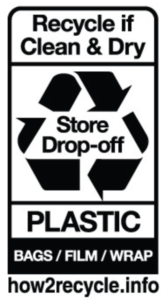 As a member of the Sustainable Packaging Coalition (SPC), we use their How2Recycle system for certifying various recyclable packages. If you’d like to display a How2Recycle logo on your product, which provides a visual informing consumers exactly how to recycle your package, we can assist in this process.
 Post-consumer recycled (PCR) flexible packaging options are sourced from raw materials that include recycled plastic (milk jugs, water bottles, etc.) or paper from industrial or post-consumer sources. Plastic/paper waste collected from recycling centers is sorted, sterilized, and repurposed into new packaging options including post-consumer recycled resin.
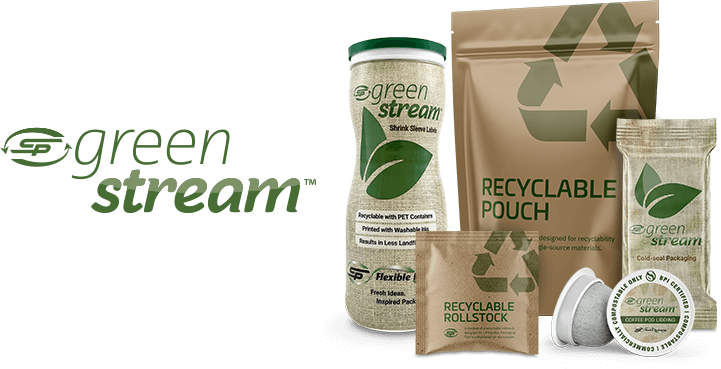
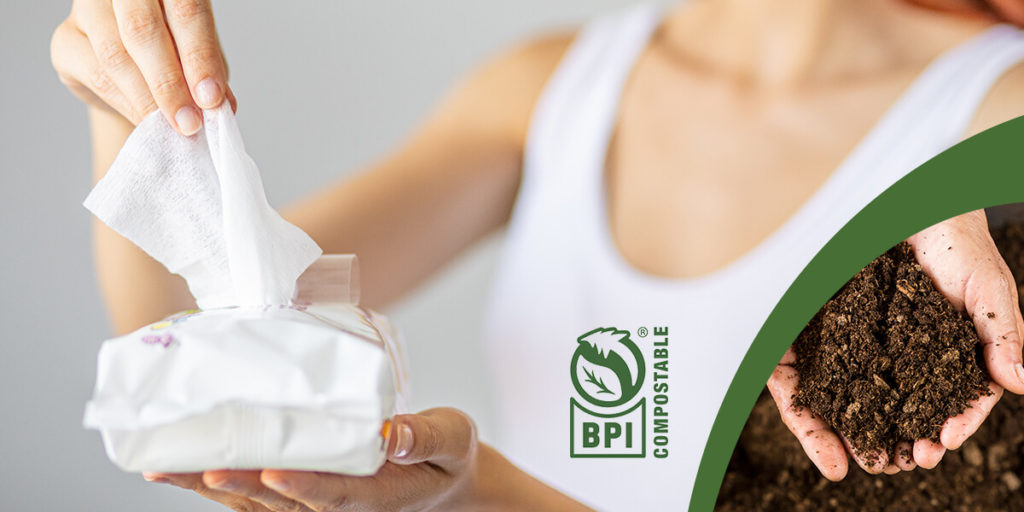 Having produced more compostable packaging SKU’s than any other packaging supplier in North America, we offer compostable packaging options including:
 C-P Flexible Packaging offers BPI (Biodegradable Products Institute) certified compostable structures meet specifications for ASTM D6400 ensuring that when mixed with food scraps and yard trimmings, the packaging will break down during the regular composting process within 90 to 180 days of disposal, leaving nothing behind.
 Created from organic and plant-based materials, biopolymers are an earth-friendly alternative to conventional polymers. We can provide flexible packaging rollstock made from biological sources that help reduce the greenhouse gas footprint of your packaging.